
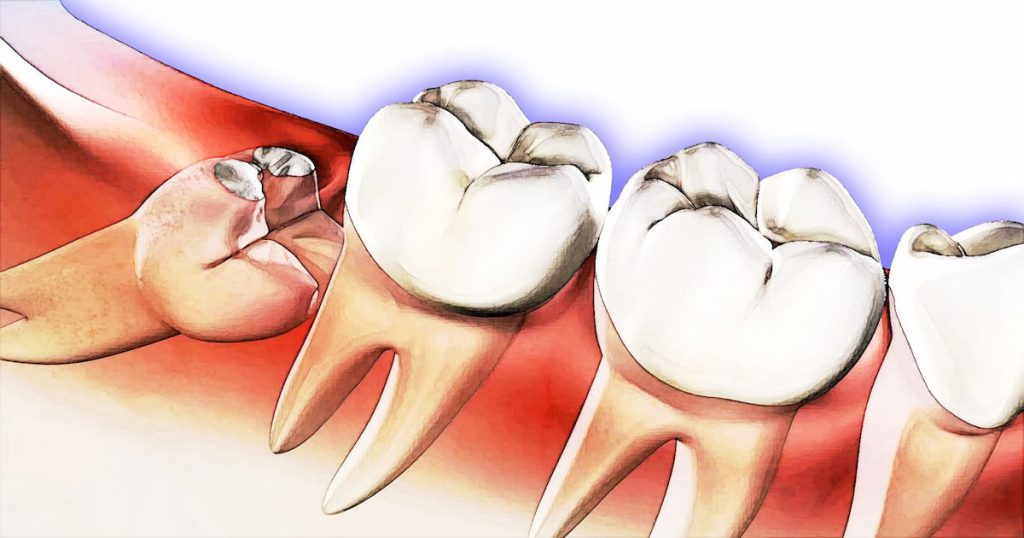
Wisdom teeth are the last set of molars that usually come in during your late teens or early twenties. For some people, these teeth grow without any problems. But for many, wisdom teeth can cause pain, crowding, or even infections. You may not know when it’s crucial to remove them on time to prevent potential problems. But don’t worry, we’ll get you covered! In this blog, we’ll explain the wisdom teeth removal reasons, as well as their negative effects on your dental condition. We’re here to help you understand when it might be the right time to get them extracted.
What Are the Reasons for Wisdom Tooth Removal?
You may have experienced dental pain as your wisdom teeth are growing. However, a toothache isn’t the only issue that comes with these teeth. They can lead to more serious problems, which can all be reasons for wisdom teeth extraction. Let’s look at some of the most common problems people face.
1. Impacted Wisdom Teeth
When a wisdom tooth doesn’t have enough room to grow properly, it gets stuck or “impacted.” This can lead to pain and swelling, as the tooth is trapped under the gums or pushing against other teeth.
2. Infection and Abscess
If a wisdom tooth doesn’t break through the gum completely, bacteria can get trapped around it, causing an infection. Sometimes, this infection can lead to an abscess, which is a painful, pus-filled swelling.
3. Pain and Discomfort
Wisdom teeth can cause pain in your mouth, jaw, or even your head. The pressure from these teeth growing in can make it hard to bite or chew, and the surrounding gums may become sore and swollen.
4. Damage to Other Teeth
When a wisdom tooth pushes against the tooth next to it, it can damage the neighboring tooth. This can lead to decay, shifting of teeth, or even damage to dental work like fillings or crowns.
5. Cysts and Tumors
In rare cases, a sac can form around a wisdom tooth, which may fill with fluid and become a cyst. Over time, this can harm nearby bones, teeth, and nerves. Even though tumors are rare, they can sometimes develop in these cysts.
6. Jaw Pain or Locking
Sometimes, wisdom teeth cause jaw pain or even make it hard to open and close your mouth. This can be because of the pressure they put on your jawbone or the surrounding muscles.
7. Difficulty Opening Mouth
In some cases, wisdom teeth can cause swelling or tightness in the jaw, making it hard to open your mouth fully. This problem can make eating, talking, or even yawning uncomfortable.
| Experience the Best Wisdom Tooth Removal with Us! At Downtown Toronto Dentistry, we offer high-quality wisdom tooth extraction services to help you prevent the potential impacts. We’re also available to give you professional wisdom tooth advice! Contact Us at (647) 800-0331 |
What Are the Benefits of Wisdom Tooth Removal?
Taking your wisdom teeth out brings you lots of benefits, such as:
- Avoiding discomfort in your gums, jaw, and even your head.
- Lowering the chance of infections or abscesses.
- Stopping the pressure against the next tooth and damaging it.
- Preventing overcrowding and keeping your smile straight.
- Preventing uncomfortable jaw pain and other concerns.
- This eliminates the chance of cysts forming around your wisdom teeth.

Are There Any Potential Risks in Wisdom Tooth Extraction?
Like any oral surgery, wisdom tooth removal has some potential risks. However, serious problems are rare, and most wisdom tooth extractions go smoothly. Your dentist will give you advice on how to reduce the chance of any complications. Though rare, there are some risks when extracting your wisdom tooth, as explained below.
- Infection: There’s a small chance of infection, as bacteria can enter the wound.
- Dry Socket: This happens when the blood clot that forms after the tooth is removed doesn’t stay in place. Without it, the area can become painful and take longer to heal.
- Bleeding: A little bleeding is normal after extraction, but in rare cases, bleeding can last longer than expected.
- Swelling and Bruising: It’s common to have some swelling and bruising in your mouth or face after wisdom tooth removal.
- Nerve Damage: The nerves near your wisdom teeth can be affected during the surgery. This may cause temporary or, very rarely, permanent numbness.
It is important to note that your dentist will check your oral condition and history before the procedure to make sure there isn’t any risk involved. In case they happen after you leave the clinic, make sure to reach out to your dentist to get emergency dental care.
Final Word
Wisdom teeth can cause a variety of problems, from pain and infections to damaging other teeth. Knowing when to remove them is important to protect your oral health. If you’re experiencing any issues with your wisdom teeth, it’s best to consult a dentist and decide if extraction is the right choice for you.
At Downtown Toronto Dentistry, we’re here to help you every step of the way. Our experienced team can assess your wisdom teeth and provide expert care in a comfortable environment. Schedule an appointment today to keep your smile healthy and pain-free!
FAQs
Are wisdom teeth always a problem?
No, wisdom teeth don’t always cause problems. Some people have enough space in their mouths for the teeth to grow properly without pain or crowding. However, for many, wisdom teeth can become problematic.
When is the best time to remove wisdom teeth?
The best time to remove wisdom teeth is usually in your late teens or early twenties. At this age, the roots of the teeth haven’t fully formed. This makes the extraction easier and recovery quicker. However, wisdom teeth can be removed later if needed.
How long does wisdom tooth recovery take?
Recovery usually takes about 1 to 2 weeks. Most people feel better after a few days, but complete healing of the gums and bone may take longer. Following your dentist’s care instructions will help with a smooth recovery.
Can I avoid wisdom tooth removal?
You might be able to avoid wisdom tooth removal if the teeth grow in properly, don’t cause pain, and aren’t affecting other teeth. Regular dental check-ups will help your dentist monitor your wisdom teeth and decide if extraction is necessary.

